Cross-Border Tax Modules: Aligning Automated Charge Logs With Regional Compliance Rules in Vendor Dashboards
Written by Amir Washington · Jul 1, 2026
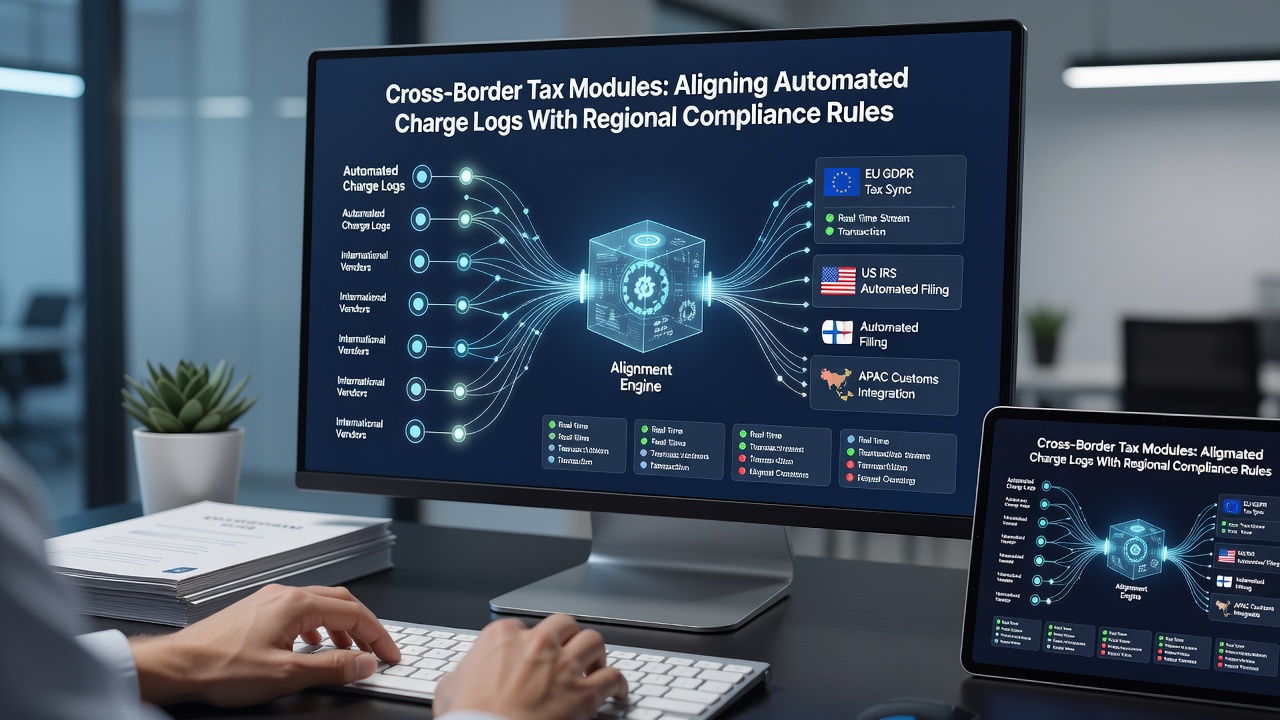
Cross-Border Tax Modules: Aligning Automated Charge Logs With Regional Compliance Rules in Vendor Dashboards
Cross-border tax modules have become essential components in modern vendor dashboards because they bridge automated charge logs with varying regional compliance requirements. These modules process transaction data in real time while adjusting for jurisdiction-specific tax rules that differ across borders. Organizations handling recurring charges encounter layered obligations from value-added tax systems in Europe to goods and services tax frameworks in Asia-Pacific markets.
Automated charge logs capture every recurring transaction detail including amounts, dates, and customer locations. When integrated with tax modules the logs feed directly into compliance engines that calculate liabilities according to each region's statutes. This alignment prevents mismatches that often surface during audits or regulatory reviews.
How Automated Charge Logs Feed Regional Tax Calculations
Charge logs record subscription renewals and one-time add-ons with precise metadata such as billing address and currency. Tax modules then apply rules that reference current rates and exemptions for each jurisdiction. For instance data shows that European VAT rates range from 17 percent in Luxembourg to 27 percent in Hungary according to the European Commission's taxation portal. The module reads the log entry applies the correct rate and generates an adjusted line item before the charge processes.
Regional variations extend beyond rates. Some jurisdictions require tax to be collected at the point of sale while others mandate reporting thresholds that trigger only after certain volumes accumulate. The automation handles these differences by referencing stored rule sets that update periodically without manual intervention from finance teams.
Vendor Dashboard Features That Support Compliance Alignment
Vendor dashboards present unified views of charge activity alongside compliance status indicators. Users see color-coded flags when a log entry requires additional documentation for a specific region. Drill-down views reveal the exact tax calculation applied to each charge including references to the governing statute or treaty.
Multi-currency handling forms another layer. When charges cross borders the dashboard converts amounts using mid-market rates at the time of the transaction. Tax modules then recalculate the liability in the local currency required for filing. This process maintains consistency between the original log and the compliance record.
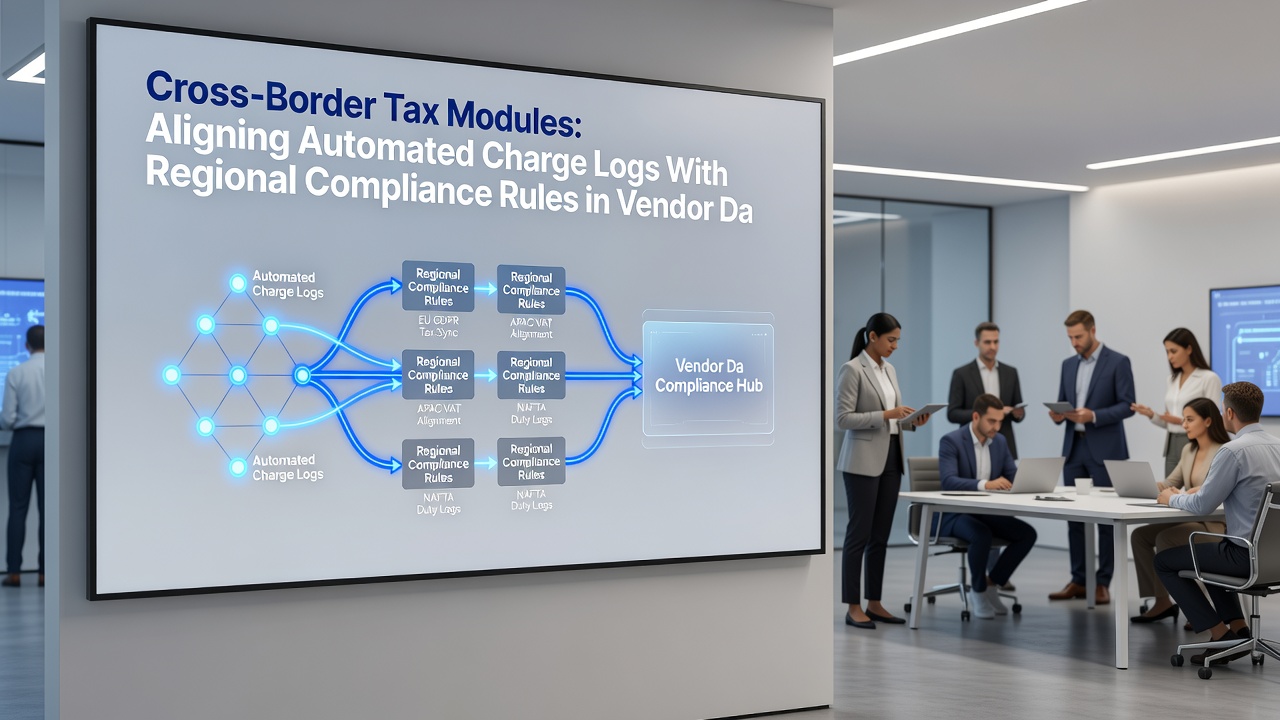
Integration Points Between Logs and Regulatory Updates
Tax modules connect to external data feeds that deliver regulatory changes. When a jurisdiction alters its filing deadlines or introduces new digital services taxes the module incorporates the update and reapplies it to historical logs where applicable. Observers note that such connections reduce the lag between rule changes and system adjustments.
In July 2026 several Asia-Pacific markets are scheduled to implement revised reporting formats for cross-border digital transactions. Vendor dashboards equipped with modular tax engines will map existing charge logs to the new schemas automatically. The alignment occurs through predefined templates that translate legacy data fields into the required structure.
Examples From Different Regulatory Environments
One logistics platform operating across North America and Europe configured its tax module to distinguish between Canadian provincial sales taxes and U.S. state-level obligations. The automated logs supplied customer zip codes and Canadian postal codes allowing the system to apply the correct rate without manual review for most transactions. Audit trails generated by the dashboard showed full traceability from each charge to the corresponding regional return.
A software-as-a-service provider serving Australian and New Zealand clients linked its charge logs to the Australian Taxation Office guidelines on GST for imported services. The module flagged transactions exceeding the annual threshold and prepared aggregated reports ready for quarterly submission. Similar logic applied to New Zealand's GST rules through separate rule sets within the same module.
Data Flows and Audit Readiness
Every aligned entry creates a timestamped record that links the original charge to the tax treatment applied. These records aggregate into reports that satisfy both internal accounting needs and external regulatory requests. Research from the OECD indicates that jurisdictions increasingly expect digital audit trails that reconstruct calculations from source logs.
Access controls within dashboards limit who can modify rule sets while allowing finance staff to review pending adjustments. When discrepancies appear between logged amounts and calculated tax the system generates exception queues that route to designated reviewers before charges finalize.
Conclusion
Cross-border tax modules continue to evolve as regional rules shift and transaction volumes grow. Vendor dashboards that maintain tight synchronization between automated charge logs and compliance engines provide the operational backbone for organizations managing international recurring revenue. The result is a traceable path from each transaction through to the corresponding regulatory filing across multiple jurisdictions.