Digital Shields in Revenue Streams: Exploring Verification Layers Across Membership Ecosystems
Written by Olivia Griffin · Jun 1, 2026
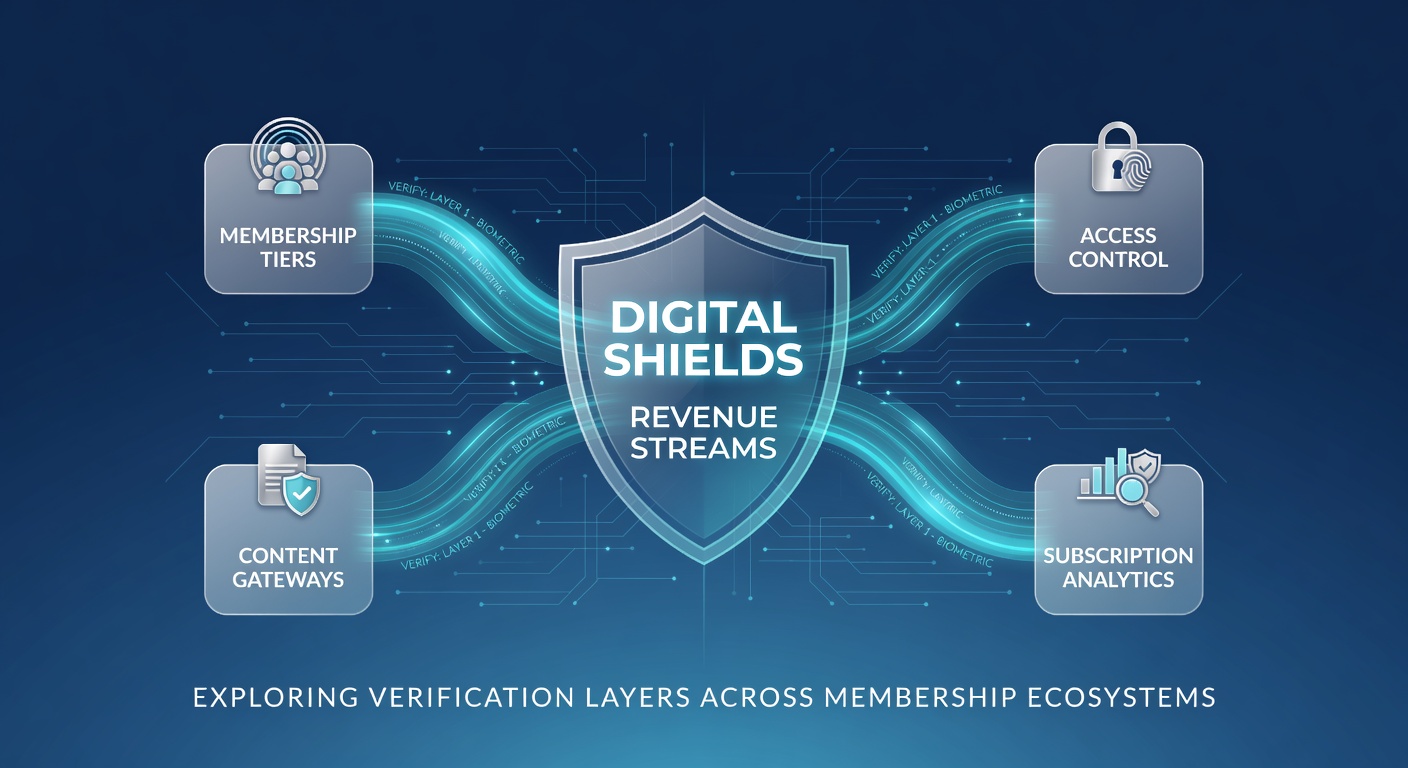
Digital Shields in Revenue Streams: Exploring Verification Layers Across Membership Ecosystems
Verification layers function as digital shields within membership ecosystems by confirming user identities and transaction legitimacy at multiple points along revenue streams. These systems operate through sequential checks that include identity validation at signup, ongoing authentication during billing cycles, and real-time fraud monitoring that flags anomalies before they affect payment processing. Membership platforms across sectors such as streaming services, software subscriptions, and professional associations rely on these layers to maintain consistent income while reducing unauthorized access that leads to revenue leakage.
Core Components of Verification Layers
Entry-point verification typically combines email confirmation with phone-based one-time codes, and many platforms add document uploads for higher-tier memberships. Behavioral signals collected during initial interactions establish baseline patterns that later stages reference when evaluating repeat transactions. Payment method validation occurs next through tokenization services that store credentials without exposing full card details to the merchant system. Researchers at various institutions note that platforms integrating these steps report lower rates of disputed charges compared to those using single-method checks.
Subsequent layers activate during recurring billing events. Transaction monitoring tools scan for geographic mismatches, device changes, or velocity spikes that deviate from established user profiles. When such flags appear, the system may trigger step-up authentication requiring biometric input or security questions before processing the charge. Data from regulatory bodies in multiple regions shows these interventions correlate with measurable drops in chargeback volumes across subscription models.
Implementation Across Different Membership Types
Consumer-facing platforms such as digital content services apply verification during account creation and again at renewal periods to confirm continued authorization. Enterprise membership systems add role-based access controls that tie individual verifications to organizational hierarchies, ensuring only approved personnel trigger billing events. Gaming and loyalty programs incorporate progressive verification that scales with user activity levels, introducing stronger checks as points or rewards accumulate. Observers note that these tailored approaches allow platforms to balance security demands against user friction at different stages of the membership lifecycle.
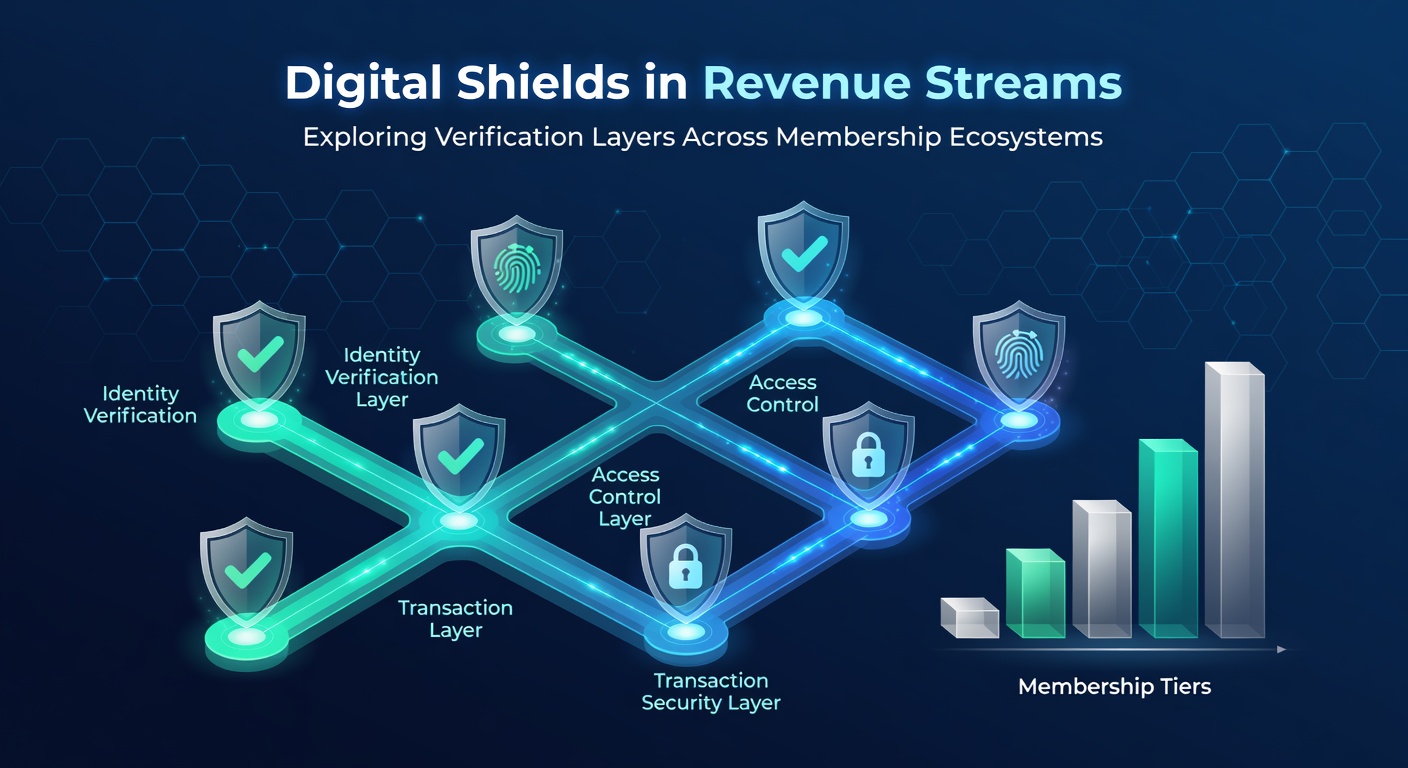
Integration with third-party identity providers has become standard practice because it offloads much of the verification workload while maintaining compliance records. Platforms connect to services that supply verified attributes without requiring users to re-enter information across multiple sites. This approach reduces duplicate data storage and supports faster onboarding, yet it still requires internal reconciliation to align verified identities with billing records. In June 2026, industry analyses indicated continued growth in adoption of federated identity systems among membership operators seeking to streamline these processes.
Revenue Protection Mechanisms
Verification layers directly influence revenue retention by interrupting fraudulent subscription attempts before they generate refunds or lost payments. Automated systems compare new signups against known fraud databases and apply risk scoring that determines whether additional checks are warranted. When high-risk indicators surface, platforms can pause account activation until manual review completes, preventing revenue from flowing through compromised channels. Studies conducted by academic groups have documented cases where layered verification reduced successful account takeovers by significant margins in recurring billing environments.
Chargeback prevention receives particular attention because disputed transactions carry fees and potential penalties from payment processors. Verification records provide evidence that a legitimate account holder authorized the charge, strengthening the platform's position during disputes. Continuous monitoring also identifies patterns such as rapid cancellations followed by new signups under similar details, allowing operators to flag potential abuse before it escalates. According to Federal Trade Commission reports, consistent application of multi-stage checks contributes to lower overall dispute rates in subscription-heavy industries.
Technical and Regulatory Considerations
Technical architecture supporting these layers often combines rule-based engines with machine learning models trained on historical transaction data. The models adapt scoring thresholds based on emerging threat patterns while rule engines enforce static compliance requirements. Data residency rules in different jurisdictions influence where verification processing occurs and how long records remain stored. Platforms operating across borders must therefore maintain separate verification workflows that satisfy local mandates without fragmenting the overall revenue tracking system.
Privacy regulations further shape verification design because excessive data collection can conflict with minimization principles. Operators respond by limiting collected attributes to those strictly necessary for identity confirmation and by implementing deletion schedules once verification completes. European data protection authorities have issued guidance emphasizing transparency around how verification data supports billing accuracy, prompting many platforms to update their consent flows accordingly. Similar frameworks exist in other regions, creating a patchwork that membership providers navigate through modular verification services.
Conclusion
Verification layers continue to evolve as membership ecosystems expand and threat landscapes shift. Platforms that maintain coordinated checks across signup, billing, and access events position themselves to sustain revenue integrity while meeting regulatory expectations. Ongoing refinements in technology and policy will likely determine how these digital shields adapt to new membership models in coming periods.