Exchange Rate Dynamics in Recurring Global Payments: Strategies for Seamless Invoice Adjustments
Written by Olivia Griffin · May 27, 2026
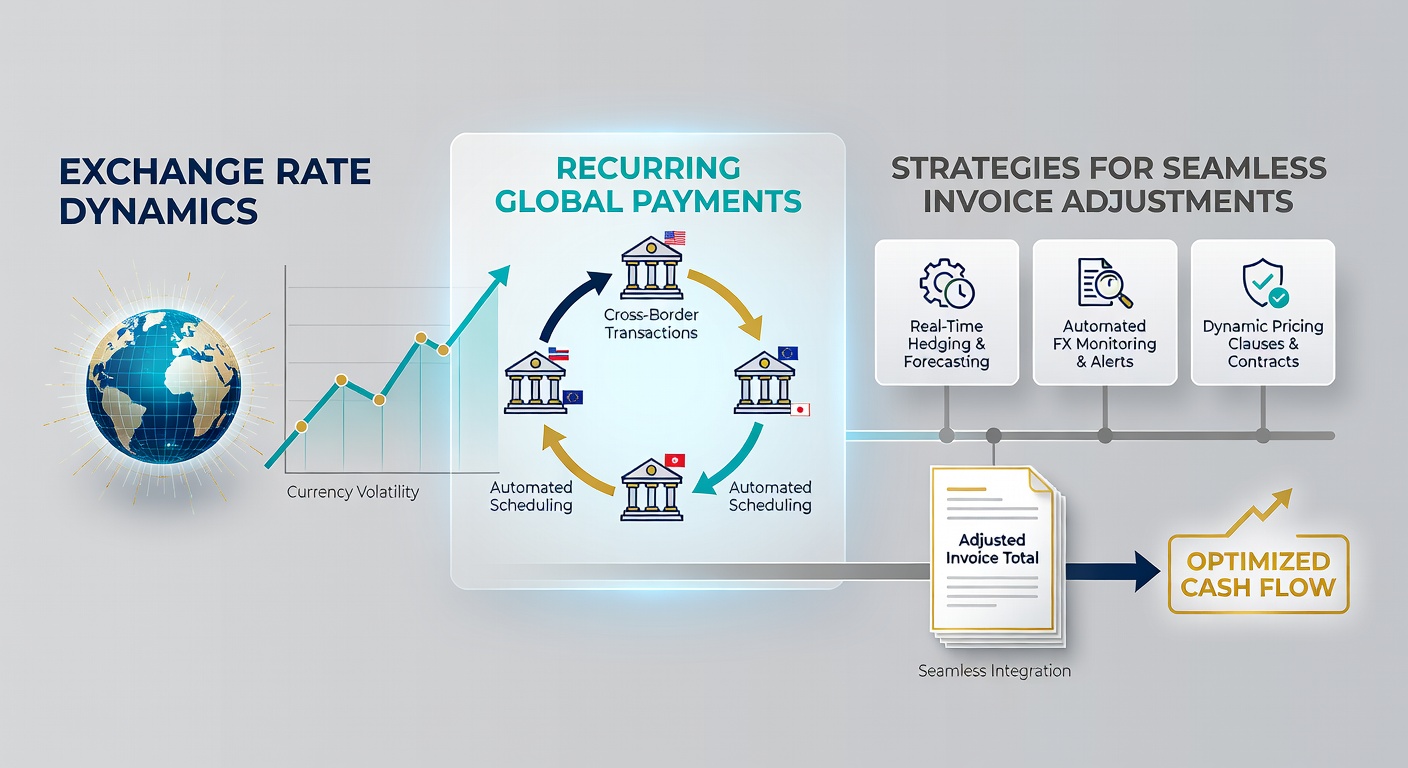
Exchange Rate Dynamics in Recurring Global Payments: Strategies for Seamless Invoice Adjustments
Exchange rate movements create ongoing challenges for businesses that process recurring payments across borders because currency values shift daily and affect invoice totals in multiple regions at once. Companies that bill customers in foreign currencies must account for these changes to avoid mismatches between expected revenue and actual amounts received after conversion. Research from central banks around the world indicates that volatility has increased in recent years due to trade policy adjustments and economic shifts in major markets. As of May 2026, reports from the European Central Bank highlight continued fluctuations in the euro against other major currencies, which directly influences how subscription services calculate and present recurring charges.
Observers note that recurring billing models amplify the effects of these movements since the same customer may receive invoices at regular intervals while the underlying exchange rate changes between each cycle. This pattern requires systems that monitor rates in real time and apply corrections before invoices reach clients. Data from industry analyses shows that organizations using manual processes experience higher error rates during periods of rapid currency movement compared with those that rely on automated tools. Those who have studied payment flows point out that even small daily variations accumulate over months and create significant reconciliation issues if left unaddressed.
How Currency Fluctuations Affect Subscription Billing Cycles
Subscription services that operate internationally often price plans in a base currency yet bill clients in their local currencies, which means each renewal date brings a new conversion calculation. When rates move sharply between billing periods, the amount charged can differ noticeably from prior invoices even though the underlying service price remains unchanged. Studies conducted by academic researchers at institutions in Canada and Australia reveal that businesses in sectors such as software and media streaming encounter the most pronounced effects because their customer bases span multiple continents. Figures released by the Bank of Canada in early 2026 demonstrate that the Canadian dollar experienced swings of over five percent against the US dollar within single quarters, forcing companies to recalculate charges frequently.
Payment processors that handle high volumes of recurring transactions report that customers sometimes question unexpected increases or decreases on invoices, which leads to additional support requests and delayed collections. Automated adjustment mechanisms help reduce these inquiries by applying consistent rules based on prevailing rates at the time of invoice generation. Experts have observed that firms which integrate rate feeds directly into billing platforms maintain more stable cash flow projections because adjustments occur without manual intervention. This approach also supports compliance with accounting standards that require accurate recording of foreign exchange gains and losses.
Automated Tools for Real-Time Invoice Recalculation
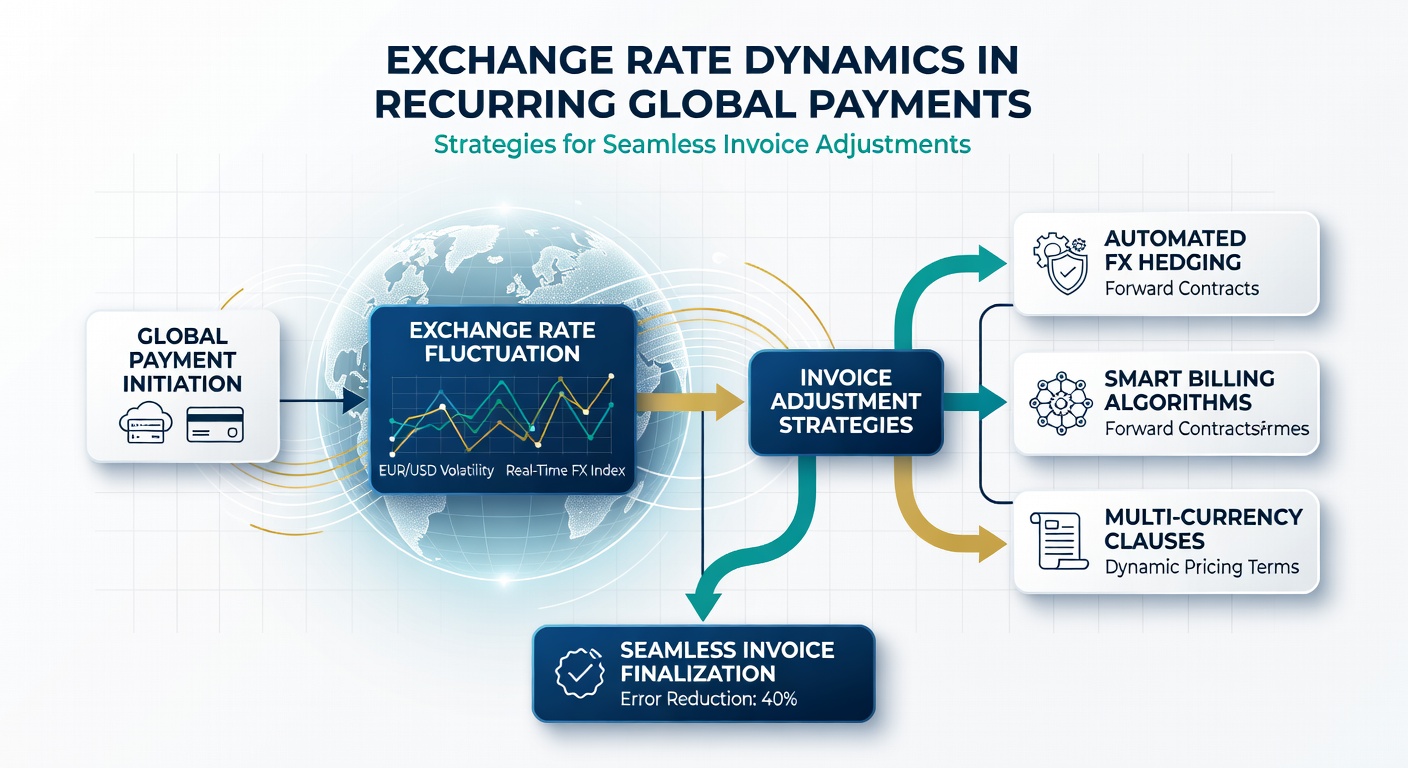
Modern billing platforms incorporate live currency data feeds that update invoice amounts whenever rates cross predefined thresholds. These systems apply conversion rules at the moment an invoice is created rather than relying on end-of-month averages that can distort individual transactions. Research indicates that platforms connected to multiple banking sources achieve greater accuracy because they average rates across providers and reduce single-point errors. Companies that implemented such integrations during 2025 reported fewer discrepancies during audits compared with previous manual methods.
One approach involves setting tolerance bands so that minor rate changes do not trigger adjustments while larger movements prompt immediate recalculation. This method balances customer experience with financial precision because invoices remain consistent unless fluctuations exceed acceptable limits. Data from payment service analyses shows that tolerance-based systems decrease customer complaints while still capturing most material exchange effects. Organizations operating in the Asia-Pacific region have adopted similar strategies following guidance from regional monetary authorities that emphasize transparent pricing practices.
Hedging Techniques Combined with Dynamic Pricing Models
Businesses sometimes combine operational adjustments with financial hedging instruments to stabilize revenue from recurring international payments. Forward contracts and options allow companies to lock in exchange rates for anticipated inflows, which reduces uncertainty even when spot rates continue to move. Reports from SWIFT and related industry groups document increased use of these instruments among subscription providers that serve European and North American markets simultaneously. The combination of hedging and automated invoicing creates a layered defense against volatility because operational tools handle day-to-day adjustments while financial contracts protect overall margins.
Dynamic pricing models further support seamless adjustments by allowing base service prices to shift gradually in response to sustained currency trends rather than abrupt changes at each billing cycle. Researchers have found that customers accept small incremental updates more readily than large one-time corrections applied after several months of rate drift. This gradual approach maintains perceived fairness and supports higher retention rates across global customer segments. Implementation typically requires integration between billing software, treasury systems, and customer communication channels to ensure all parties receive clear notifications about any modifications.
Conclusion
Exchange rate dynamics continue to shape how companies manage recurring global payments, yet available technologies and financial strategies provide concrete methods for maintaining invoice accuracy. Organizations that connect real-time rate data with automated billing processes reduce discrepancies and support smoother collections across multiple currencies. Continued monitoring of economic indicators from sources such as the European Central Bank and the Bank of Canada helps businesses anticipate periods of heightened volatility and prepare adjustment protocols accordingly. These combined measures enable consistent revenue recognition while meeting customer expectations for transparent and timely invoicing.