Inside the Mechanics of Portal-Based Verification for Recurring Charge Accuracy
Written by Sam Peters · Aug 24, 2026
Inside the Mechanics of Portal-Based Verification for Recurring Charge Accuracy
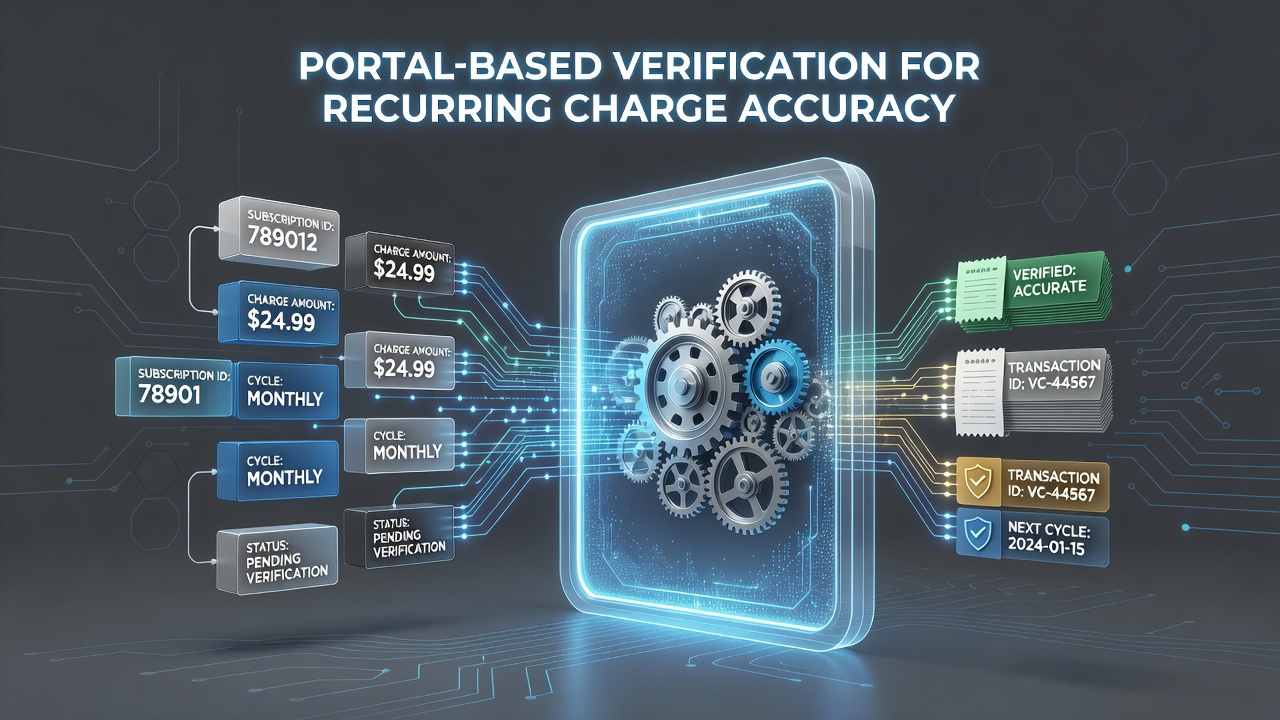
Portal-based verification systems handle recurring charge accuracy through layered checks that match customer data against transaction records before any payment processes. These interfaces pull information from multiple sources including payment gateways, customer accounts, and usage logs, then run automated comparisons that flag discrepancies such as mismatched amounts or timing errors. Observers note that such verification happens in real time as users access their dashboards, allowing adjustments before cycles complete.
Core Components of Portal Verification Layers
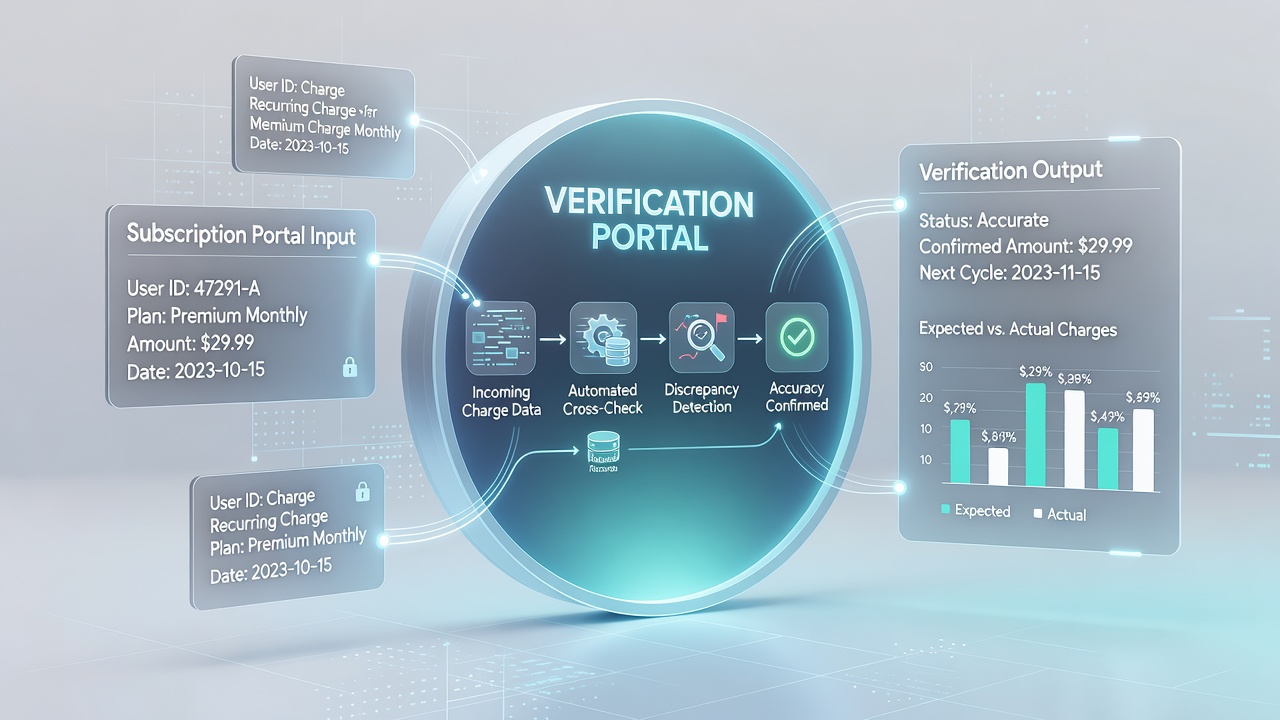
Authentication protocols form the first step in these systems, where users confirm identity through multi-factor methods that tie directly to stored billing profiles. Once verified, the portal retrieves historical charge data and cross-references it with current subscription details, subscription tiers, and any applied discounts or taxes. Data indicates that this cross-referencing reduces mismatches by aligning records across platforms, especially in environments where multiple currencies or regional rules apply.
Automated scripts within the portal scan for patterns in recurring sequences, comparing expected charges against actual logs from the previous period. Researchers discovered that integration with external APIs allows these scans to pull live updates on inventory levels or consumption metrics, which in turn influence teh final charge amount. In August 2026, reports from payment networks highlighted increased adoption of such API-driven checks in subscription services handling variable usage.
Syncing Renewal Triggers with Audit Trails
Renewal sequences trigger when the portal detects an approaching cycle date, at which point verification routines activate to confirm all linked records remain consistent. This process connects renewal triggers to cross-platform audit trails that record every data change, from customer updates to gateway responses. Experts have observed that these trails enable quick tracing of any deviation, such as a charge that does not match the agreed rate or frequency.
Coordinated alerts notify account holders and administrators simultaneously when verification detects potential issues, giving time for manual review if needed. Those who've studied these systems know that the alerts draw from both internal logs and external compliance modules, ensuring regional tax rules or currency conversions stay accurate throughout the flow. A link to guidance from the European Central Bank outlines similar alignment practices in digital payment environments across member states.
Handling Variable Consumption and Meter Integration
Consumption-based models add complexity because charges depend on real-time meter readings rather than fixed amounts. Portal verification incorporates these readings by pulling data directly from usage meters and matching them against inventory updates before finalizing the recurring entry. Figures reveal that this step prevents overcharges or undercharges in access-based arrangements where consumption fluctuates month to month.
Event timelines map each transaction from initiation through gateway processing to final archive, creating traceable lineages that support compliance checks. Observers note that these timelines prove especially useful in tiered access frameworks, where different service levels trigger distinct charge sequences. Data from industry reports shows growing reliance on such mapping to maintain ledger alignment across global client bases.
Gateway Protocols and Cross-Border Adjustments
Gateway protocols interface with the portal to exchange charge details securely, incorporating any required exchange rate adjustments for international recurring payments. Verification routines test these adjustments against current market data to confirm accuracy before the charge posts. According to analyses from the Federal Reserve, precise rate handling in recurring flows has become a focus area for platforms serving multinational customers.
Vault protocols store tokenized payment information that the portal accesses during verification, ensuring sensitive details never transmit unnecessarily while still allowing charge confirmation. This approach supports cyclical charge logs by maintaining consistent access to customer credentials across membership interfaces without repeated re-entry.
Conclusion
Portal-based verification for recurring charge accuracy relies on interconnected layers of authentication, data matching, API integration, and audit logging to maintain consistency across billing cycles. These mechanics support compliance with regional rules while reducing errors in both fixed and variable charge models. As platforms continue to evolve, the emphasis remains on seamless connections between customer dashboards, gateways, and external data sources that keep records aligned.