Linking Automated Alerts with Cross-Platform Verification in Usage-Based Revenue Tracking
Written by Sam Peters · Aug 26, 2026
Linking Automated Alerts with Cross-Platform Verification in Usage-Based Revenue Tracking
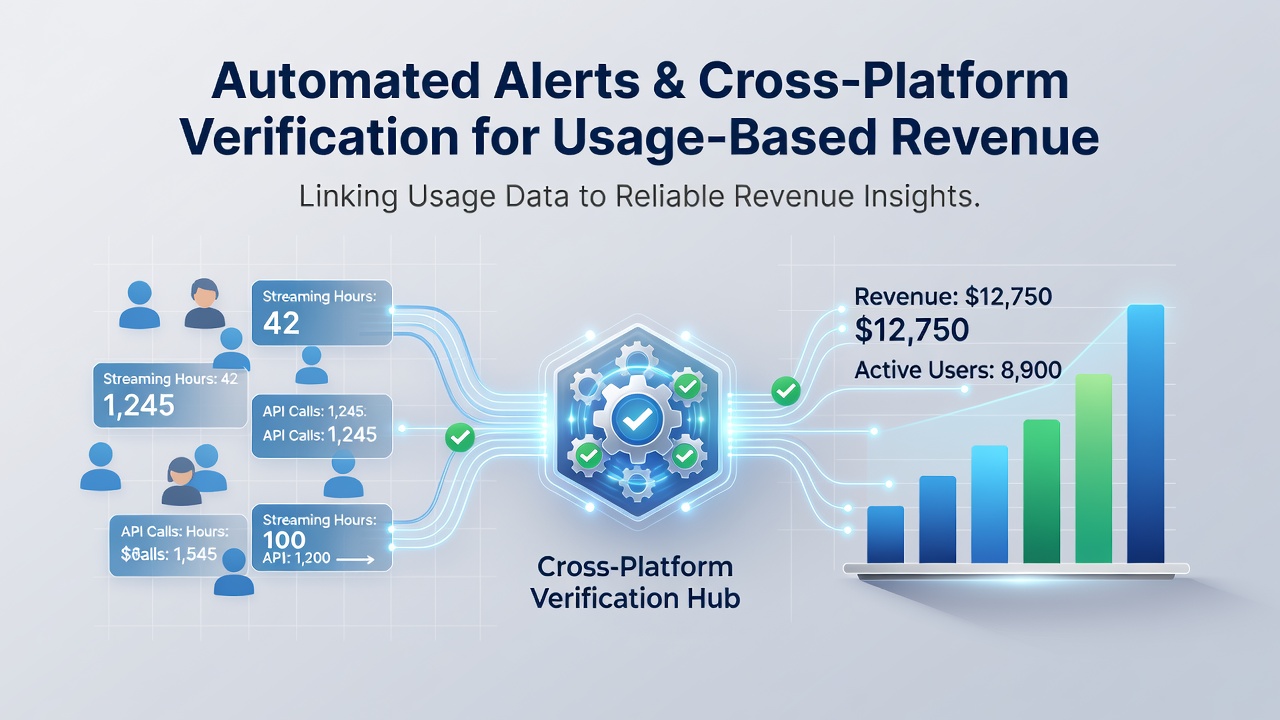
Usage-based revenue tracking relies on precise measurement of consumption across digital services, and companies integrate automated alerts with verification layers to maintain accuracy in recurring charge cycles. Systems detect deviations in meter readings, trigger notifications, and route those signals through multiple platforms for confirmation before ledger updates occur. Observers note that this linkage reduces discrepancies in environments where access levels change dynamically based on real-time usage data.
Core Components of Usage-Based Models
Revenue recognition in these models depends on continuous data flows from application programming interfaces that record consumption events, and platforms log each transaction with timestamps and identifiers for later reconciliation. Research indicates that organizations handling variable consumption patterns often deploy meter integration points that feed directly into charge sequencing engines, ensuring that invoices reflect actual resource utilization rather than estimates. In August 2026 several enterprise platforms expanded their support for event timeline mapping between payment gateways and usage meters, allowing finer granularity in audit trails across membership ecosystems.
Automated Alerts in Revenue Workflows
Alerts activate when predefined thresholds are crossed, such as sudden spikes in data transfer volumes or unusual login patterns that suggest potential billing mismatches. These notifications route to verification modules that cross-check information against external data sources, including inventory updates and compliance archives. Data shows that coordinated alert systems cut down on manual review time by routing only verified exceptions to finance teams, while unverified events remain in temporary holding states until confirmation arrives through secondary channels.
Take one case where experts tracked renewal sequences across client dashboards; the alerts fired at each cycle stage and linked to cross-platform checks that confirmed ledger alignment before final posting. This process relies on vault protocols that synchronize charge logs with membership interfaces, preventing drift between recorded usage and billed amounts.
Cross-Platform Verification Processes
Verification occurs through layered protocols that compare event data from multiple origins, including payment gateways, usage meters, and regional compliance modules. Systems apply matching rules to transaction events and archive results in compliance repositories for future audits. According to documentation from teh Canada Revenue Agency, accurate record-keeping in consumption-based arrangements requires traceable data lineages that connect initial meter readings to final revenue entries.
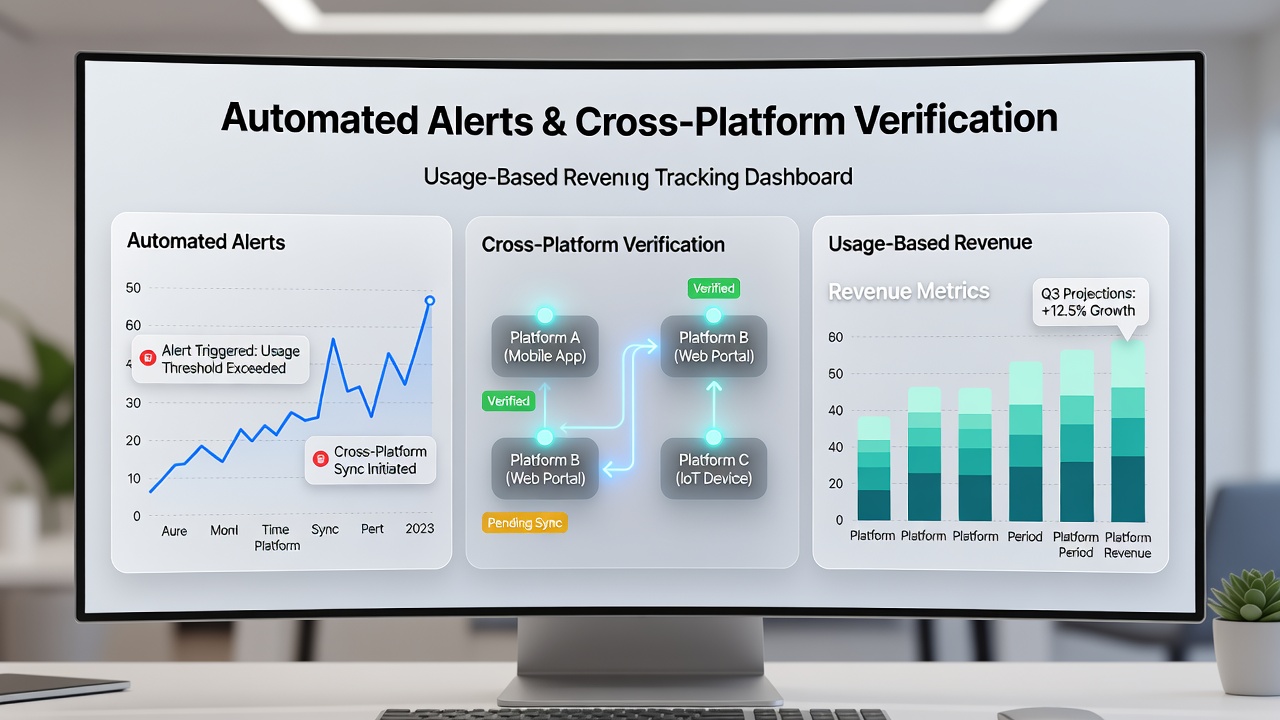
Platforms achieve this by mapping API connections that pull inventory updates into recurring charge environments, creating a closed loop where each alert receives confirmation from at least two independent sources. Researchers discovered that such redundancy lowers error rates in tiered access frameworks where consumption patterns shift frequently throughout billing periods.
Integration Patterns Observed in Practice
Teams configure renewal triggers to activate verification sequences automatically, and the resulting audit trails feed into centralized dashboards that display both alert status and verification outcomes side by side. Evidence from industry reports suggests that organizations adopting these patterns experience tighter alignment between usage meters and charge logs, particularly when handling cross-border tax modules that demand region-specific compliance checks. The process continues with sequential charge patterns updating in real time as new verification results arrive from connected systems.
One study revealed that linking alerts to verification reduced the time between event occurrence and ledger entry by routing confirmed data through harmonized gateway protocols. Those who've studied this process observe that the approach supports precise ledger alignment even when consumption volumes fluctuate across global user bases.
Conclusion
Linking automated alerts with cross-platform verification creates reliable pathways for usage-based revenue tracking by ensuring that every detected anomaly receives confirmation before financial records update. Organizations continue to refine these connections through API mappings and event timeline coordination, supporting accurate charge sequencing across diverse service models. Data lineages remain traceable from initial transaction events through to compliance archives, providing the foundation for consistent revenue recognition in dynamic environments.