Spotlight on Coordinated Alerts: How Digital Interfaces Bolster Revenue Tracking in Recurring Transaction Flows
Written by Viktor Wolf · May 18, 2026
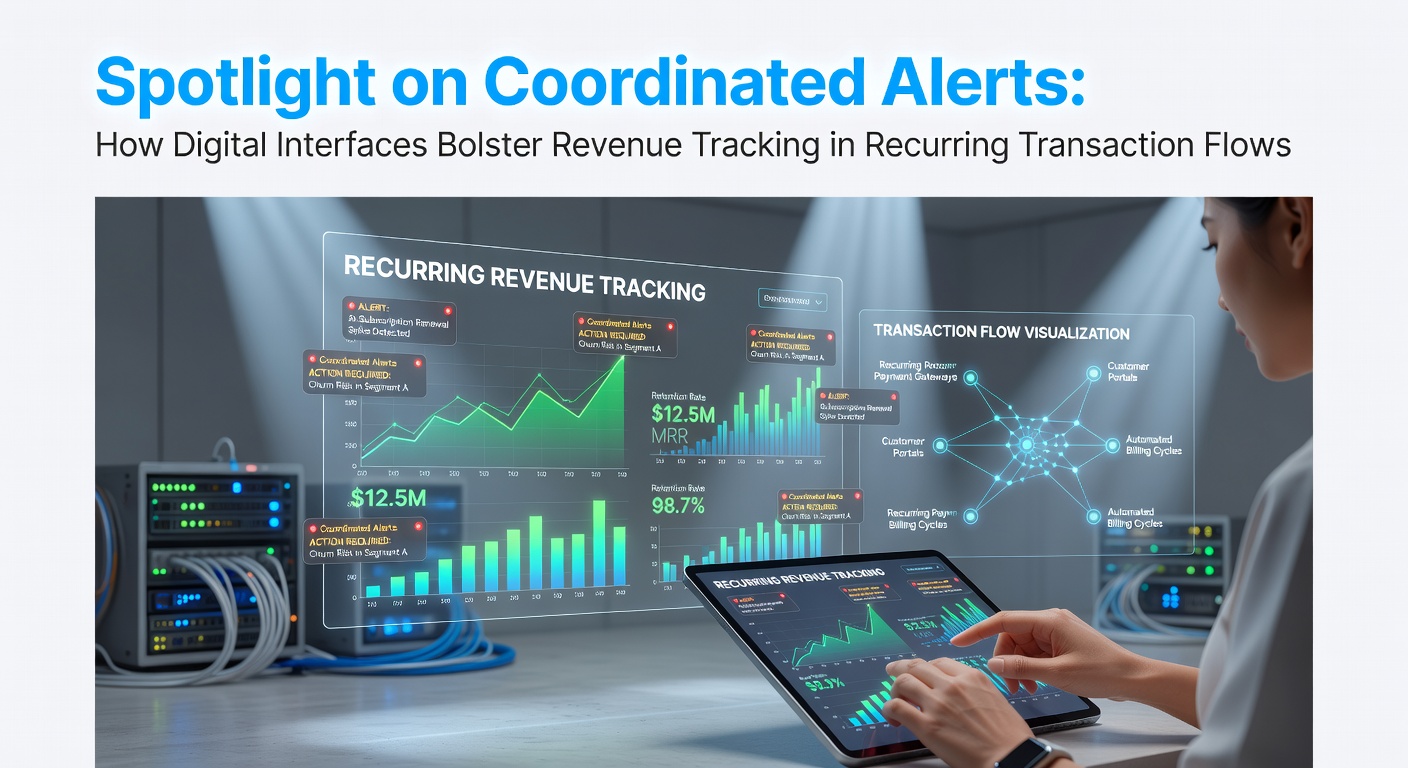
Spotlight on Coordinated Alerts: How Digital Interfaces Bolster Revenue Tracking in Recurring Transaction Flows
Recurring transaction flows underpin many modern business models from software subscriptions to utility services and membership programs yet tracking those flows demands precision that manual processes often fail to deliver and digital interfaces have stepped in to close the gap with coordinated alerts that surface issues before they compound into lost revenue. These systems integrate data streams across payment gateways customer management platforms and accounting software so that anomalies such as failed charges or unusual cancellation patterns trigger immediate notifications rather than surfacing weeks later during month-end reviews.
Mechanics Behind Coordinated Alerts
Digital interfaces achieve coordination by pulling real-time inputs from multiple sources into a single view where rules engines evaluate each transaction against historical benchmarks and predefined thresholds then route alerts to the right teams through email dashboards or integrated messaging tools. When a recurring payment attempt fails for instance the interface can flag the account status update inventory forecasts and notify finance staff simultaneously which prevents the kind of staggered response that used to let revenue leakage go unnoticed for days. Observers note that such synchronization relies on standardized data formats and secure APIs that allow disparate systems to communicate without custom coding for every new integration.
Impact on Revenue Accuracy and Forecasting
Accurate forecasting depends on visibility into both expected inflows and potential shortfalls and coordinated alerts supply that visibility by highlighting patterns like rising chargeback rates or regional payment declines before they skew quarterly projections. Research from institutions such as the Bank for International Settlements shows that firms adopting integrated alert systems report fewer discrepancies between projected and actual recurring revenue which in turn supports tighter cash-flow planning. In practice this means finance teams receive alerts tied to specific customer cohorts rather than generic summaries so they can isolate whether a dip stems from seasonal behavior or a systemic platform issue.
Take one mid-sized SaaS provider that implemented these interfaces in early 2025 and soon observed how alerts about partial payment failures allowed them to intervene with customers before accounts lapsed entirely. The same setup also flagged duplicate transactions that previously inflated reported revenue until reconciliation caught them later in the cycle. Data from such deployments indicate that the reduction in manual reconciliation time frees analysts to focus on trend analysis instead of chasing individual discrepancies.
Integration with Broader Financial Ecosystems
Modern digital interfaces do not operate in isolation but connect with tax compliance modules regulatory reporting tools and even external banking APIs to ensure alerts respect jurisdictional requirements. In regions where new digital services tax rules take effect mid-decade for example coordinated notifications can prompt immediate documentation of revenue sources before filing deadlines arrive. This level of connectivity proves especially useful for organizations managing cross-border subscriptions where currency fluctuations and varying tax treatments add layers of complexity to revenue recognition.
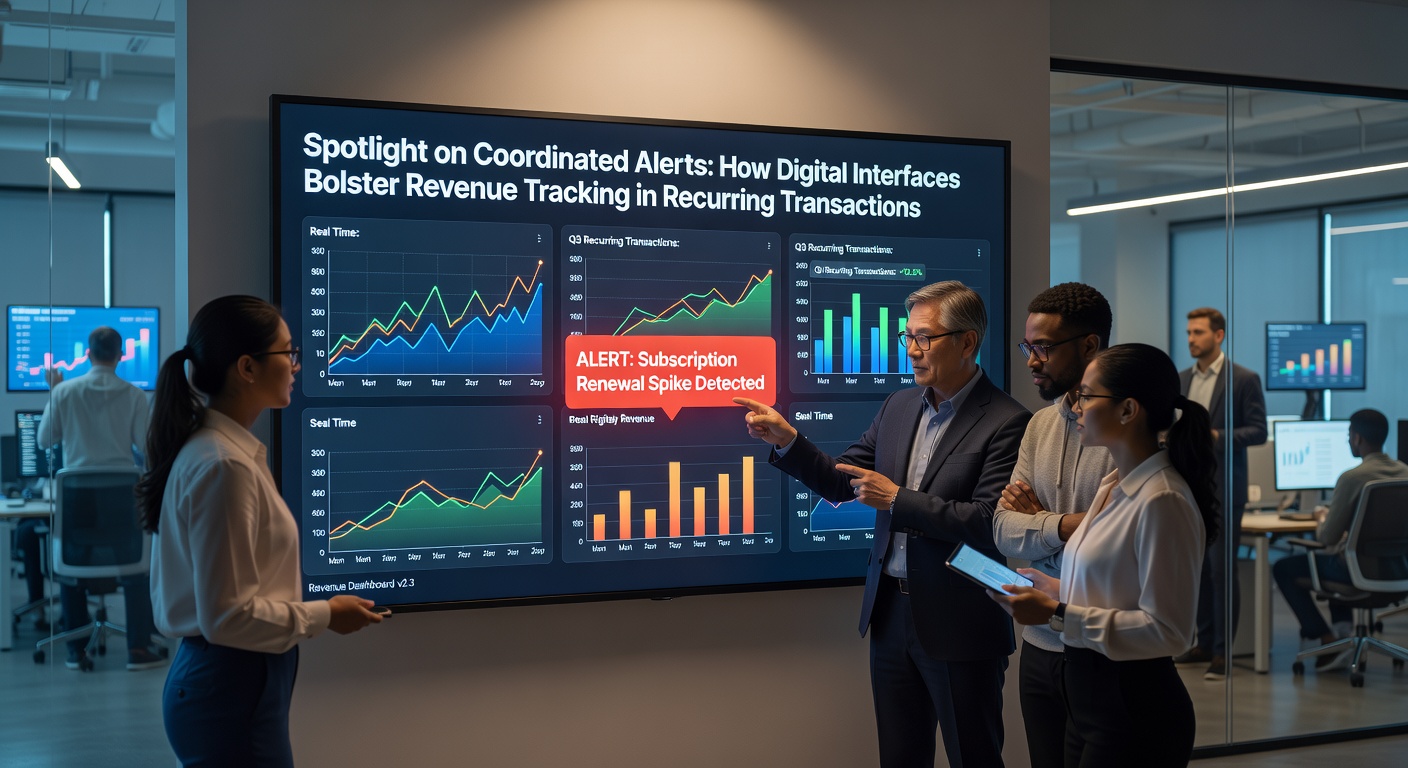
What's interesting is how these interfaces adapt to emerging standards expected in May 2026 when updates from bodies like the International Organization for Standardization aim to refine data exchange protocols for recurring payment streams. Companies already aligned with current alert frameworks stand to adopt the changes with minimal disruption because their existing rule sets can incorporate new fields without wholesale system overhauls. Observers point out that early adopters gain an edge in audit readiness since historical alert logs provide auditable trails of how revenue events were identified and addressed.
Case Examples from Different Sectors
Utilities providers have applied coordinated alerts to track meter-based recurring charges where sudden drops in usage can signal meter faults or customer churn and the interface routes those signals to both billing and operations teams at once. Similarly streaming services use the same architecture to monitor regional payment success rates and trigger localized retention campaigns when alerts indicate elevated failure clusters. In each instance the key lies in tailoring alert criteria to sector-specific metrics rather than relying on generic transaction flags that might miss nuanced revenue risks.
Academic studies from research centers such as the University of Melbourne's Centre for Digital Transformation have examined how mid-sized enterprises deploy these tools and the resulting improvements in revenue leakage detection rates. Figures from those analyses reveal that organizations combining alerts with automated retry logic recover a measurable share of otherwise lost recurring payments without increasing customer friction through repeated charge attempts.
Conclusion
Coordinated alerts within digital interfaces continue to reshape revenue tracking for recurring transaction flows by delivering timely actionable insights across fragmented systems. As standards evolve toward May 2026 and beyond the emphasis remains on seamless data integration that keeps forecasts aligned with actual collections while minimizing the manual oversight once required to catch discrepancies. Organizations that maintain these connections position themselves to respond faster to payment disruptions and maintain clearer visibility into ongoing revenue streams.