The Interplay Between Adaptive Pricing Algorithms and Inventory Tracking in Variable Access Agreements
Written by Harper Schmidt · Aug 26, 2026
The Interplay Between Adaptive Pricing Algorithms and Inventory Tracking in Variable Access Agreements
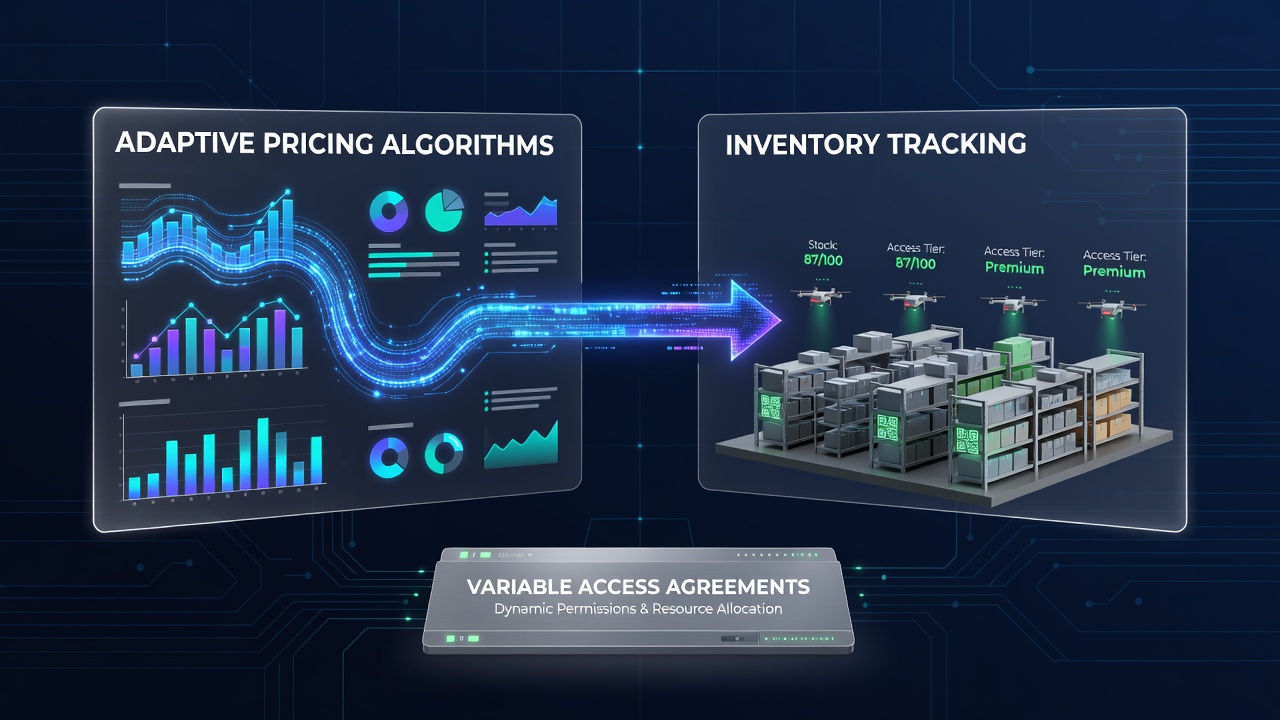
Variable access agreements allow users to adjust their level of service or resource consumption on demand, and adaptive pricing algorithms respond to those shifts by recalculating charges in real time while inventory tracking systems maintain accurate records of available capacity. These components work together in industries such as cloud computing, telecommunications, and software-as-a-service platforms where demand fluctuates and contracts tie billing directly to usage meters.
Core Mechanics of Adaptive Pricing Algorithms
Adaptive pricing algorithms monitor multiple data streams including current demand, historical patterns, and external factors like competitor rates or seasonal trends before adjusting prices automatically. Systems process inputs from usage meters that record consumption events and feed those figures into pricing engines that apply tiered rates or surge multipliers. In practice, a cloud provider might raise storage fees during peak hours when inventory levels drop below a set threshold, and the algorithm executes the change without manual intervention. Data from transaction logs shows that such adjustments occur within seconds of an inventory update, which keeps revenue aligned with actual resource allocation.
Inventory Tracking in Dynamic Environments
Inventory tracking systems record every unit of access granted under variable agreements, updating ledgers as users consume or release resources. These platforms integrate with application programming interfaces that pull live data from servers, networks, and storage arrays, then reconcile those figures against contractual limits. When a customer scales up their subscription mid-cycle, the tracking module flags the change and signals downstream billing processes. Observers note that accurate inventory data prevents over-allocation, which can occur if pricing models run ahead of physical or virtual capacity records. Studies of enterprise deployments indicate that synchronized tracking reduces discrepancies between billed amounts and actual usage by aligning event timestamps across multiple platforms.
Integration Points Between Pricing and Inventory Systems
The connection between adaptive pricing and inventory tracking happens at several layers. First, usage meters feed raw consumption data into both systems simultaneously, allowing pricing engines to reference current stock levels before finalizing a rate. Second, rule-based triggers activate when inventory crosses predefined thresholds, prompting the algorithm to switch pricing tiers or apply discounts for underutilized capacity. Third, audit trails capture every adjustment so that compliance teams can verify that charges match documented availability at the time of each transaction. In August 2026, updates to cross-platform data standards are scheduled to take effect in several regulatory jurisdictions, requiring tighter timestamp synchronization between these two functions to support more granular reporting.
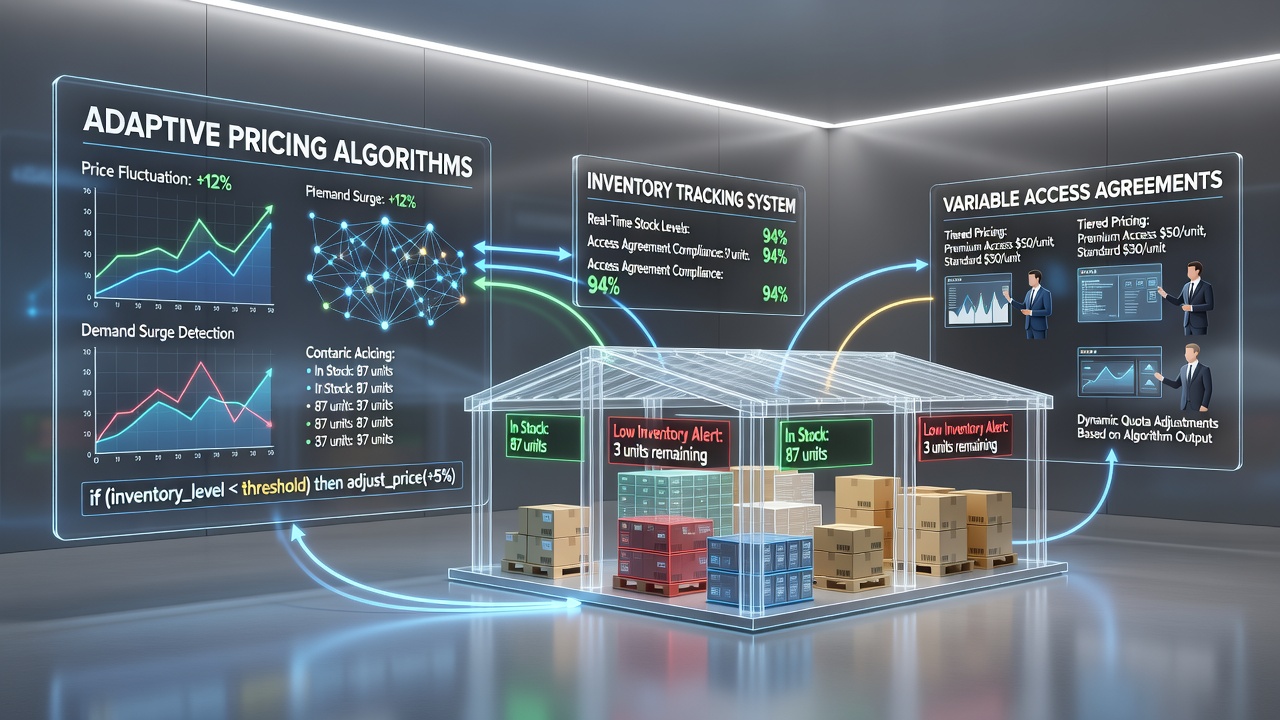
One implementation example involves a telecommunications operator that links its dynamic bandwidth pricing to a centralized inventory database. When network load exceeds 80 percent of available capacity, the algorithm automatically increases per-gigabyte rates while the tracking system reserves additional spectrum for existing subscribers. This dual action maintains service quality and prevents billing disputes that arise from mismatched records. Research from academic institutions tracking similar setups in Europe reveals that latency between inventory updates and pricing changes averages under 200 milliseconds in optimized environments.
Data Flow and Synchronization Challenges
Data must travel reliably between meters, pricing modules, and inventory repositories, yet network delays or format mismatches can create temporary gaps. Operators address these issues through message queuing systems that buffer events until both pricing and inventory components confirm receipt. In variable access agreements, where customers may add or drop users hourly, the volume of events rises sharply, testing the capacity of synchronization layers. Figures from industry reports compiled by research groups in Australia show that organizations running daily reconciliation routines catch 97 percent of potential mismatches before they reach customer invoices. Those who have studied these flows emphasize the importance of unified schemas that let pricing algorithms query inventory status without custom adapters for each vendor platform.
Regulatory and Compliance Considerations
Regulators in multiple regions examine how adaptive pricing interacts with inventory records to ensure transparency for end users. The European Commission has issued guidance on algorithmic decision-making in digital services that touches on the need for clear audit paths when prices change based on real-time stock levels. In Canada, similar discussions focus on consumer protection during high-demand periods when inventory constraints drive automatic rate increases. Companies maintain detailed logs that link each price adjustment to a specific inventory snapshot, enabling authorities to review whether the system treated all users consistently under the terms of their agreements.
Future Developments in System Architecture
Developments scheduled around August 2026 include expanded use of distributed ledger techniques to create immutable records of both pricing decisions and inventory states. These additions aim to reduce reconciliation time from hours to minutes while providing external auditors with direct access to event chains. Vendors are also testing machine learning overlays that predict inventory shortages before they trigger pricing shifts, allowing preemptive capacity adjustments. The result is tighter coupling between the two systems, where inventory forecasts directly inform the variables used in pricing calculations.
Conclusion
Adaptive pricing algorithms and inventory tracking systems form an interconnected loop in variable access agreements, with usage data serving as the common input that drives both functions. Accurate synchronization supports precise billing, regulatory compliance, and efficient resource allocation across fluctuating demand environments. As standards evolve and new architectural approaches emerge, the focus remains on maintaining reliable data lineages from initial consumption events through final ledger entries.